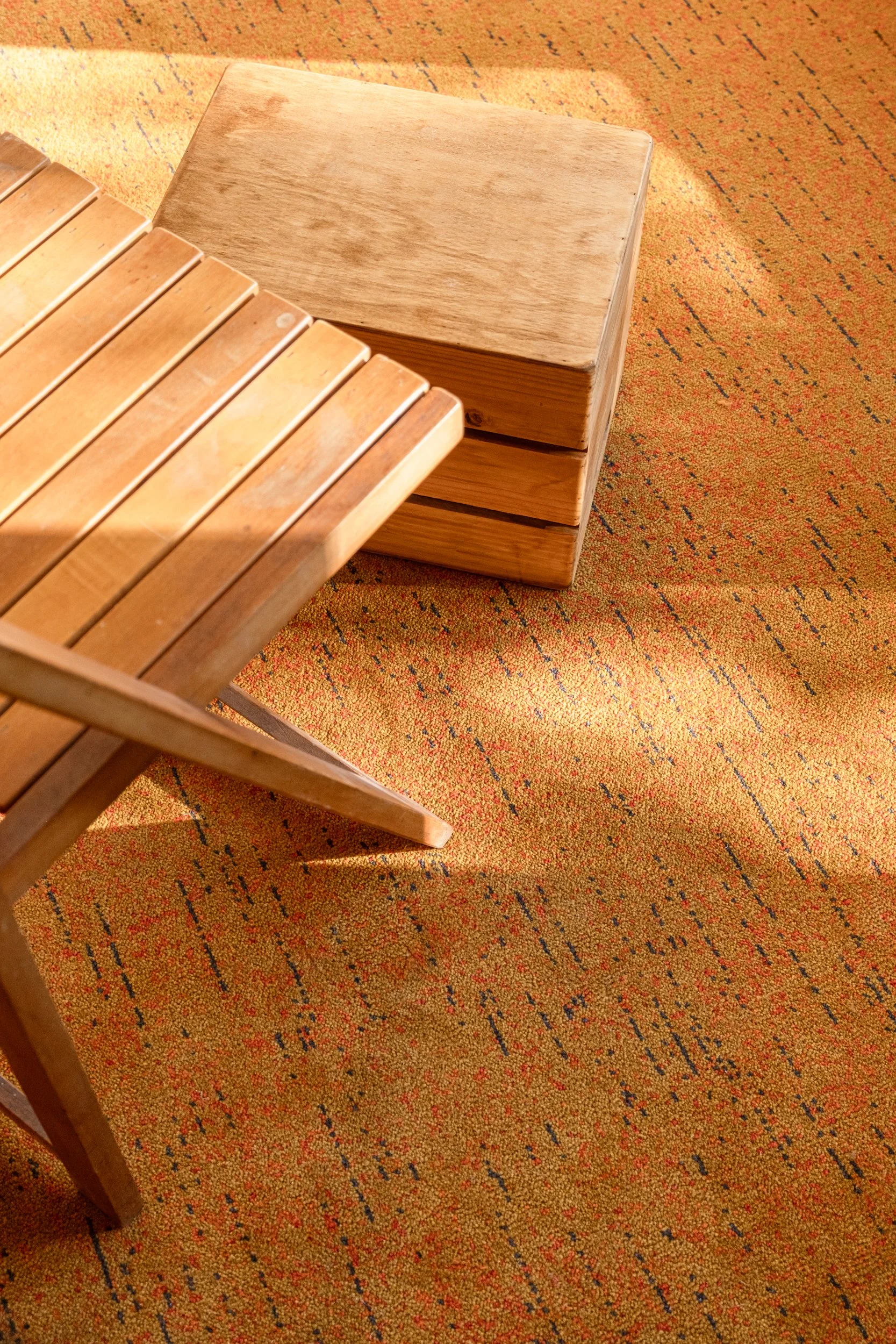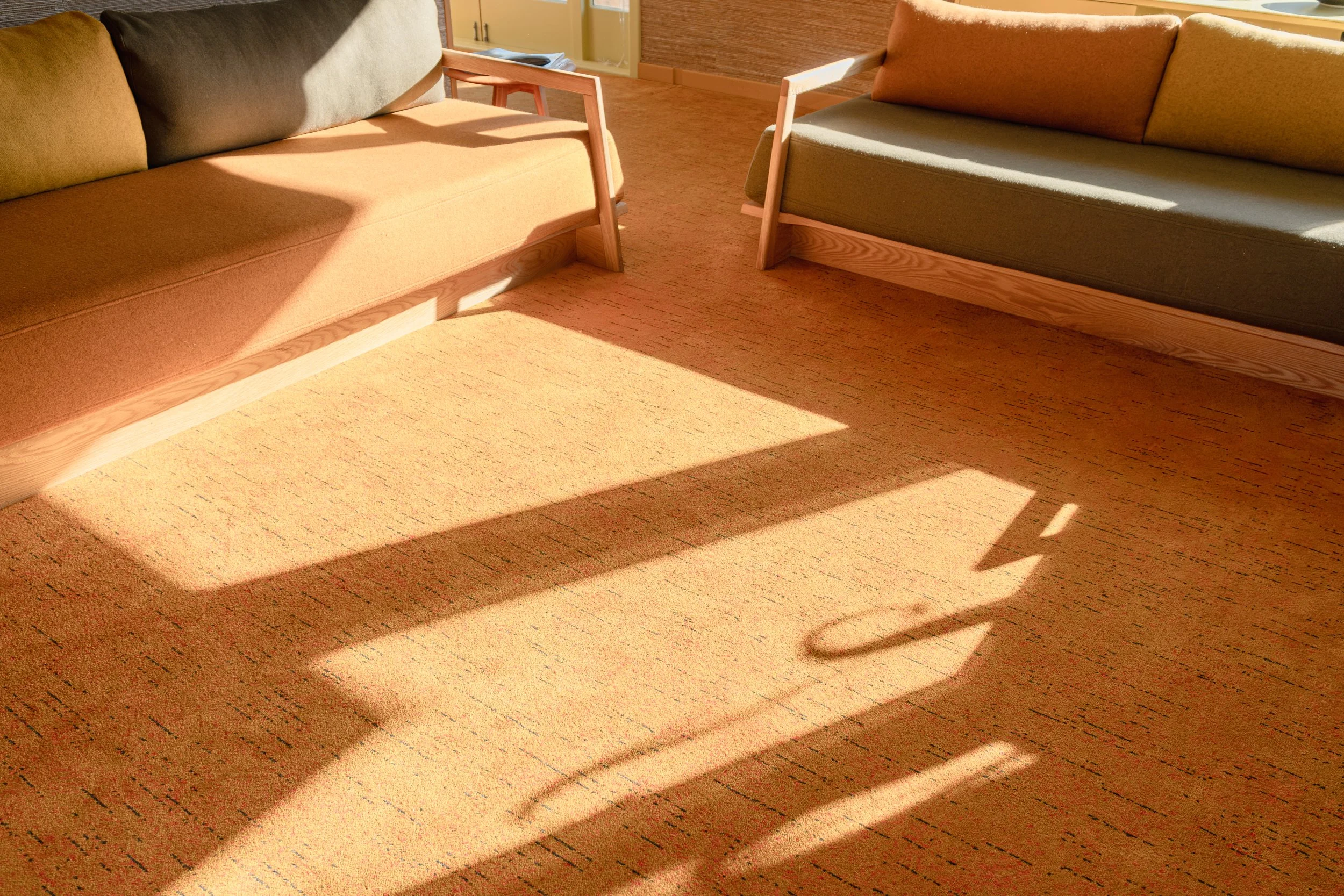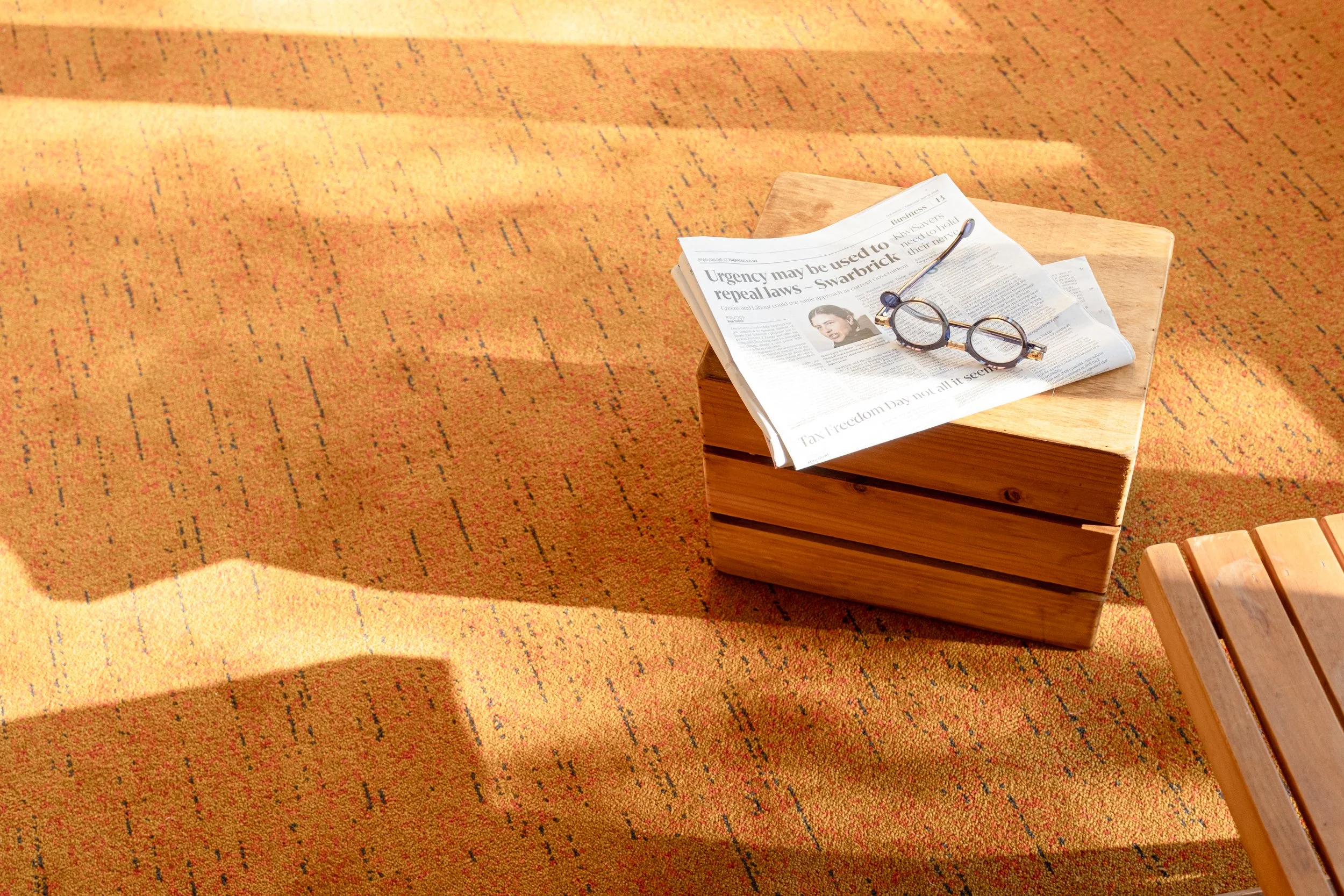
THE RETURN OF WOOL MIGHT RELY ON ONE UNEXPECTED THING
Many of you may have noticed wool and wool-based materials returning to our media and public conversations, and that is a promising shift. In a country known for producing one of the world’s most enduring natural fibres, it matters. We are hearing strong ambitions around wool again, with the government and industry positioning it as part of a more sustainable future and a new era of innovation. Yet there is still a disconnect between that ambition and the reality of how wool is finding its place in contemporary living.
Perhaps this reflects a wider pattern. Public ambition and culture do not always move together. Society behaves more like a living organism, quietly carrying its own tastes and emotional instincts beneath policy, industry language, and sustainability targets. People rarely choose materials simply because they are responsible or environmentally correct. They choose what they connect with and what feels aligned with the way they want to live.That may be where the gap still exists. Wool is being promoted for its performance and environmental value, yet visually it is often framed through a cautious language of muted neutrals and soft monochromes. Somewhere along the way, flooring became something designed to disappear rather than participate in the atmosphere of a home.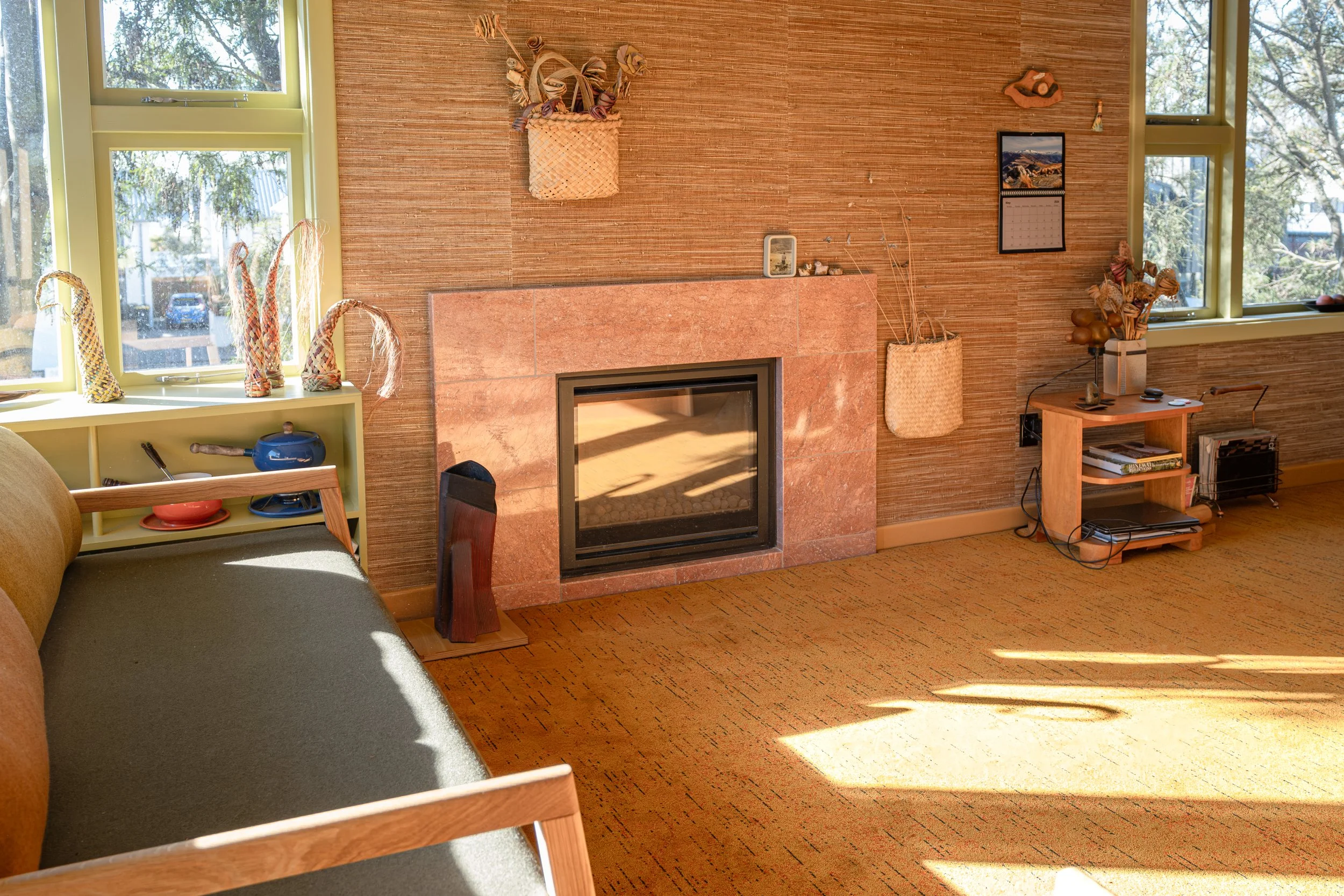
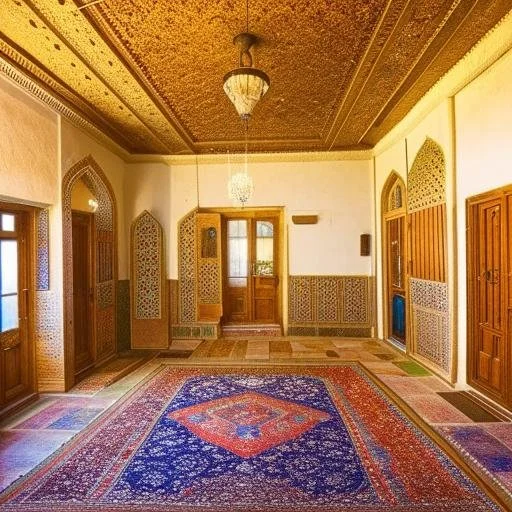
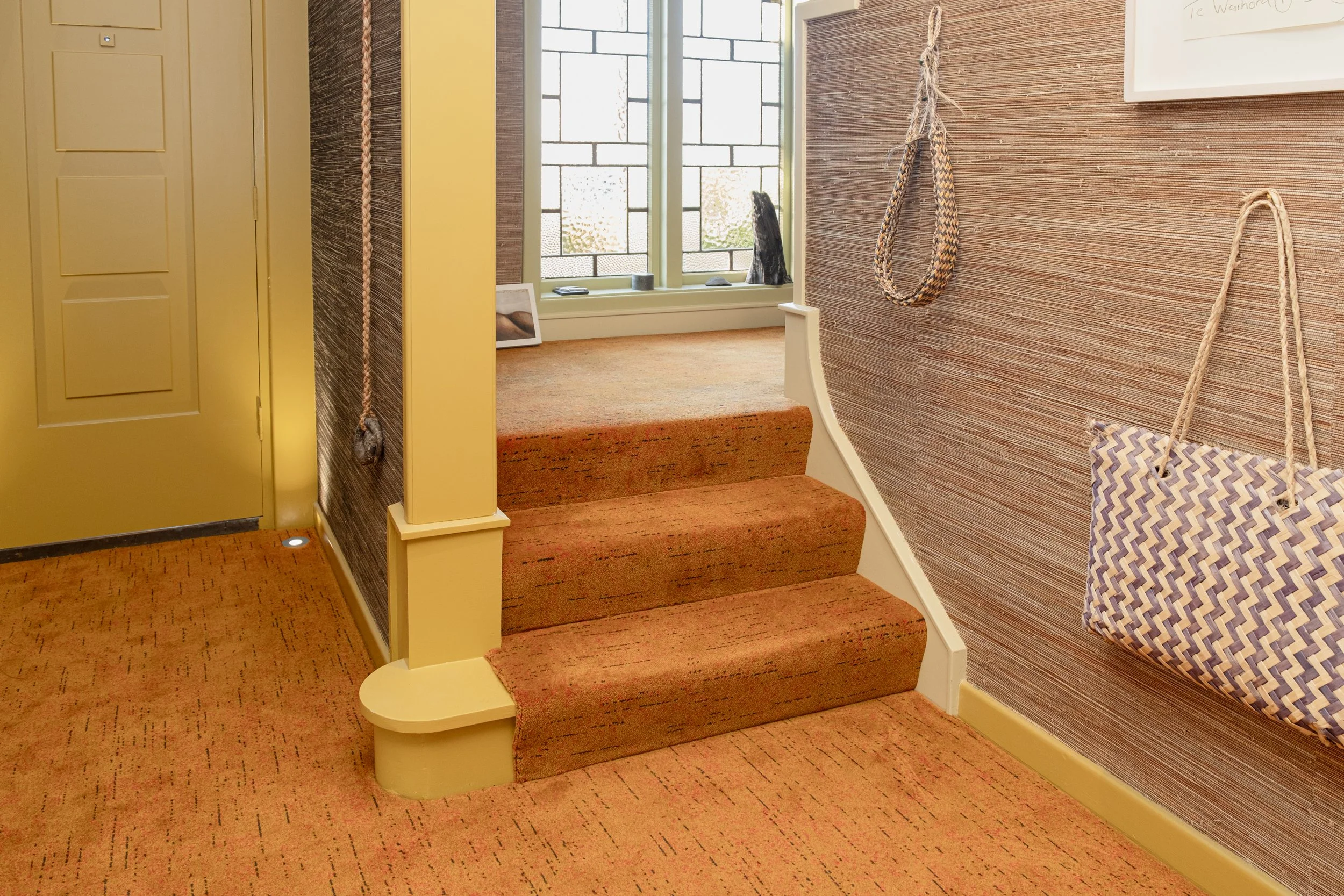
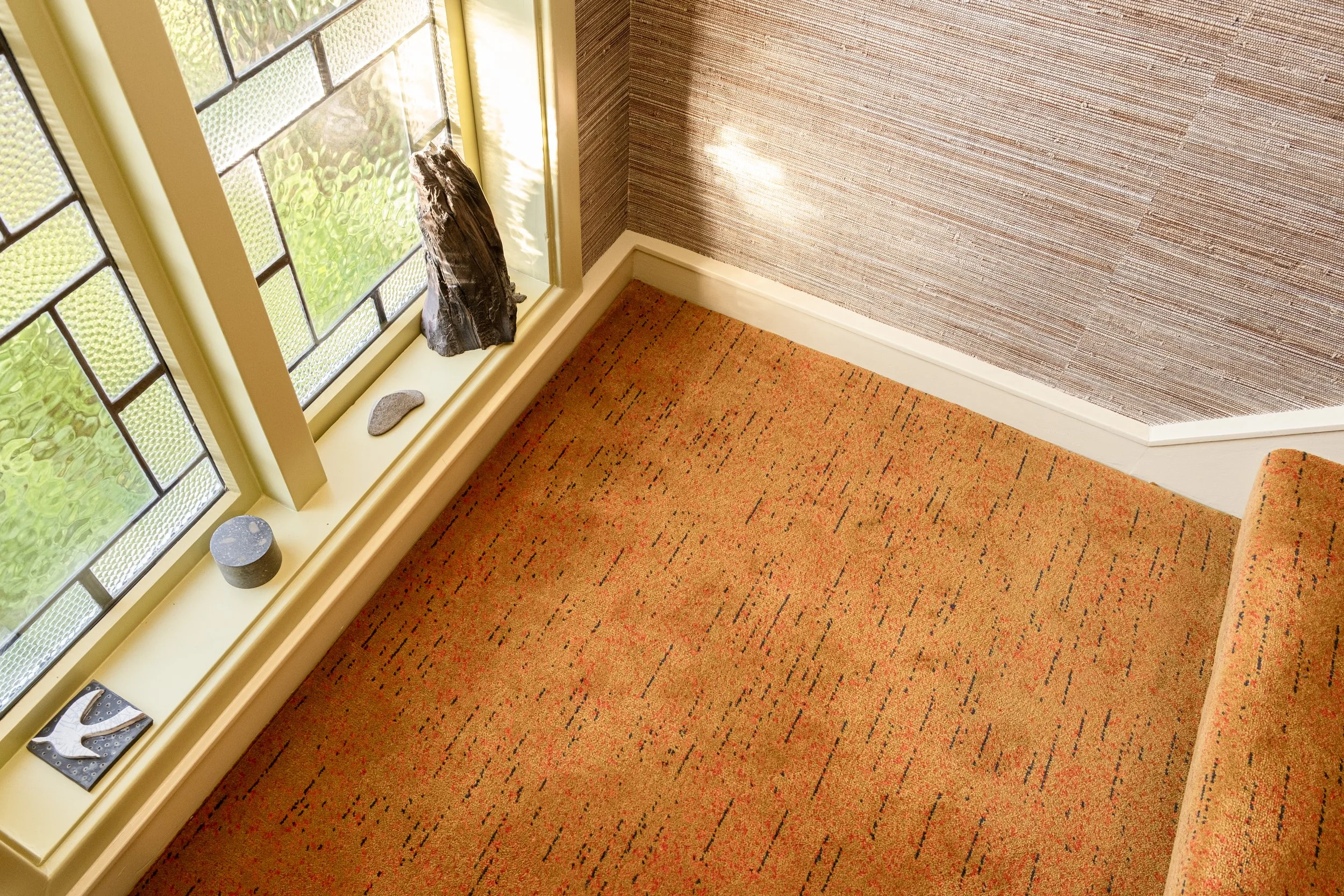
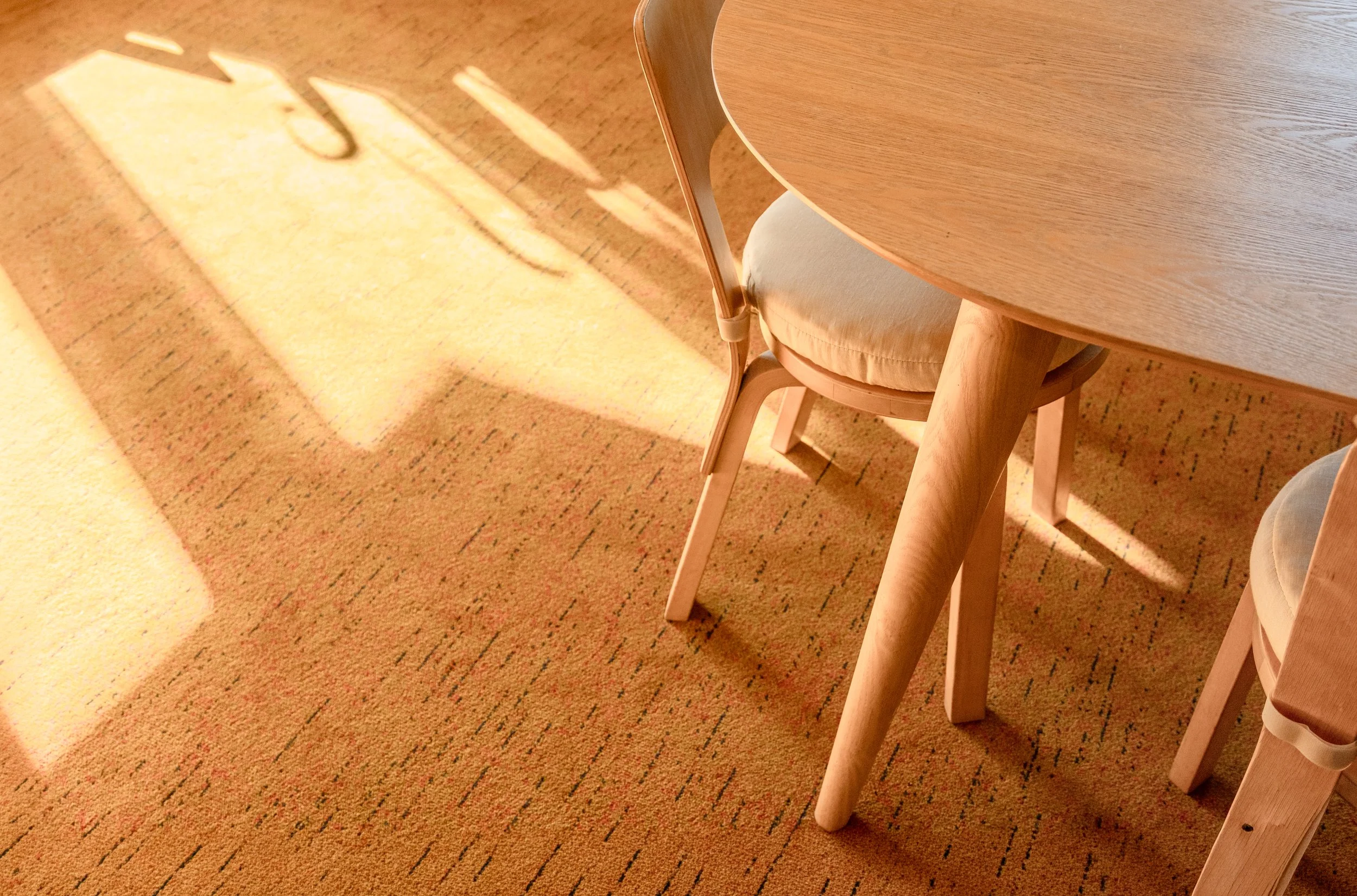
Warmth, depth, colour, and movement — or muted neutrals and soft monochromes.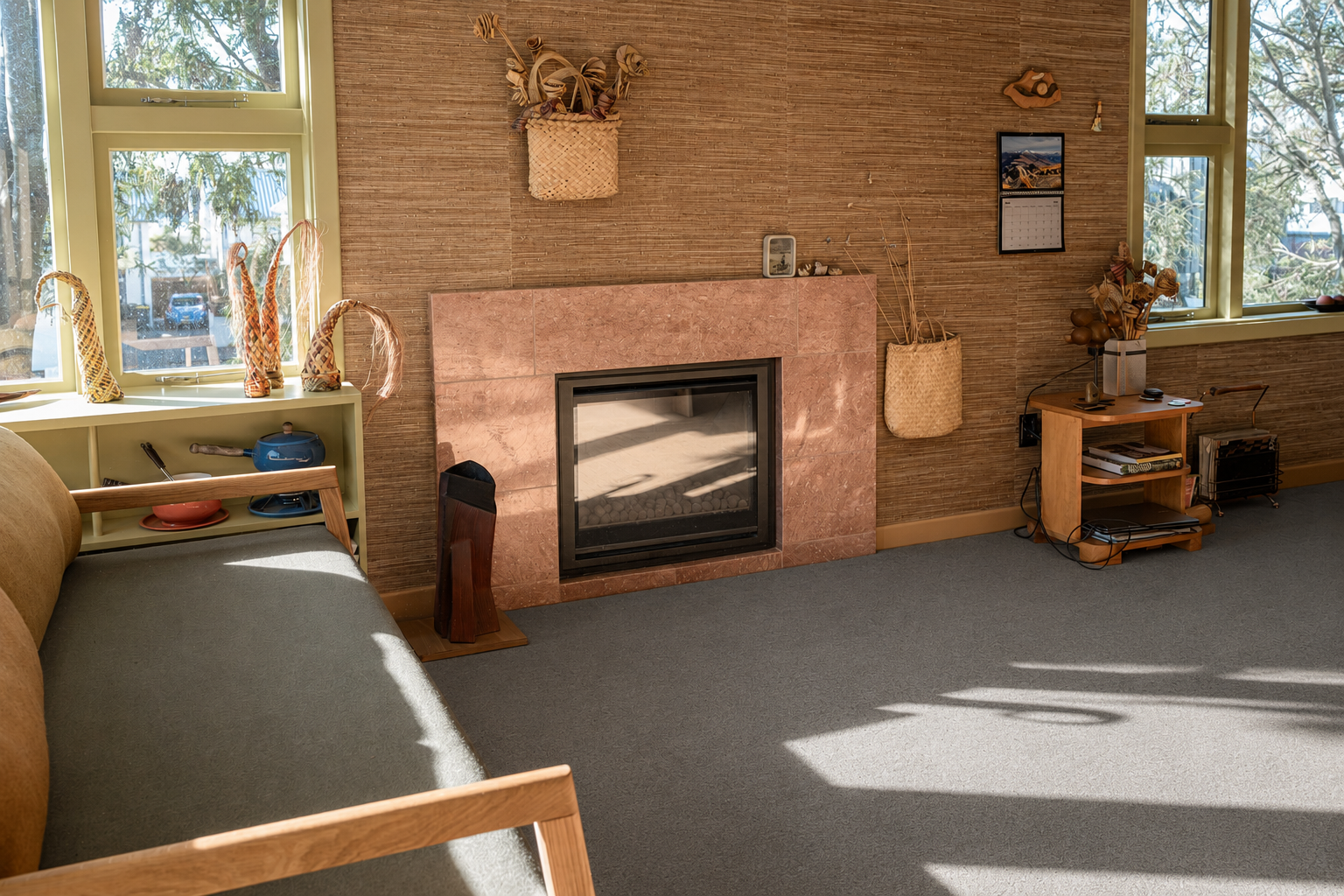
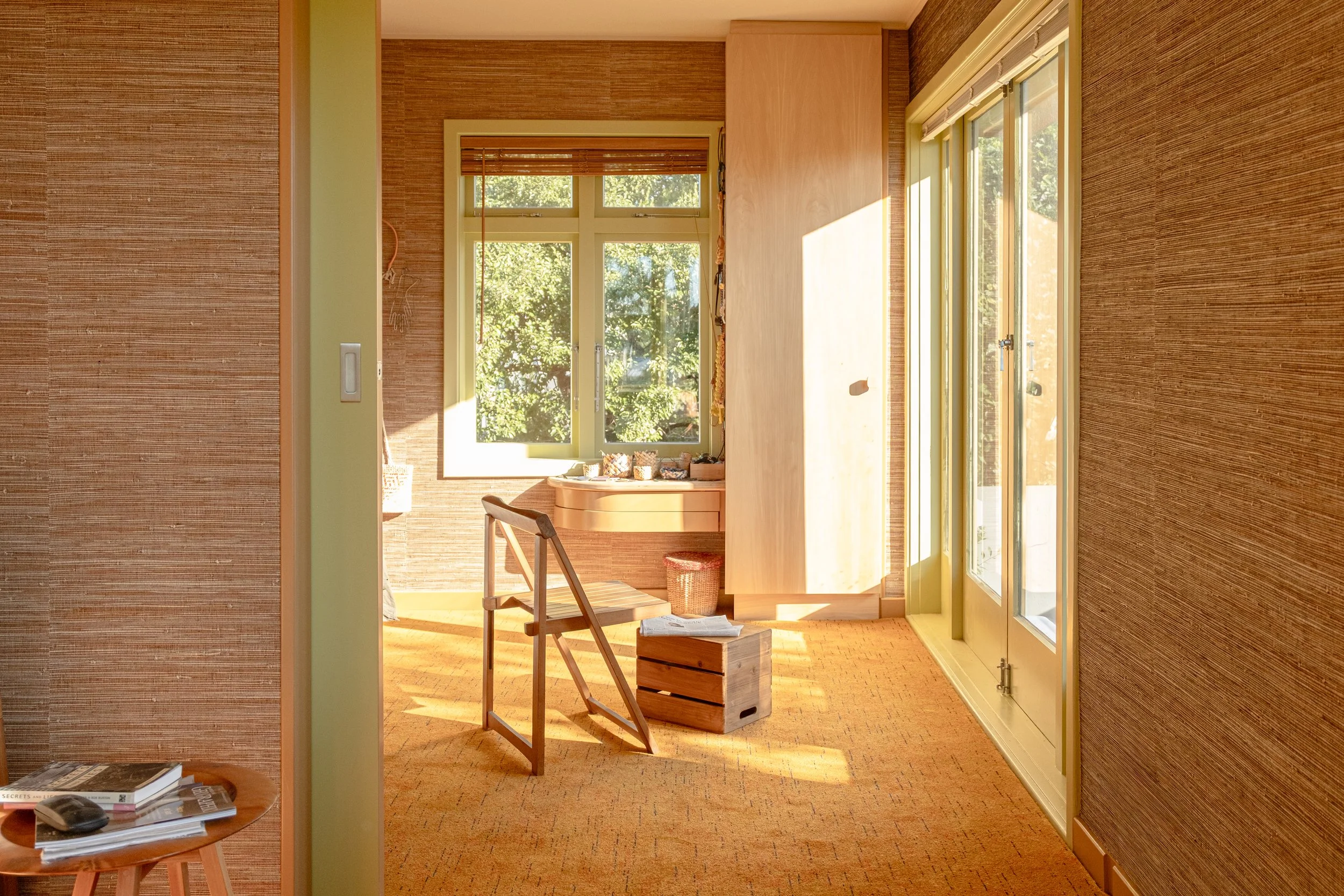
Recently, we worked on a residential project where the client specifically wanted a 100% wool carpet. After exploring much of what the market offered, she still struggled to find one that felt right for her home. Eventually she said something that stayed with me: “I want a carpet that feels alive, not dead.” When I asked what “alive” meant, she spoke about warmth, depth, colour, and movement. Something with presence rather than visual anonymity. That conversation revealed something larger. One of the most influential surfaces in an interior has slowly become one of the most emotionally absent.

Part of that comes from fear. Fear of resale value. Fear of colour. Fear that personality somehow conflicts with contemporary living. Over time, caution has turned many interiors into spaces with little sense of identity.
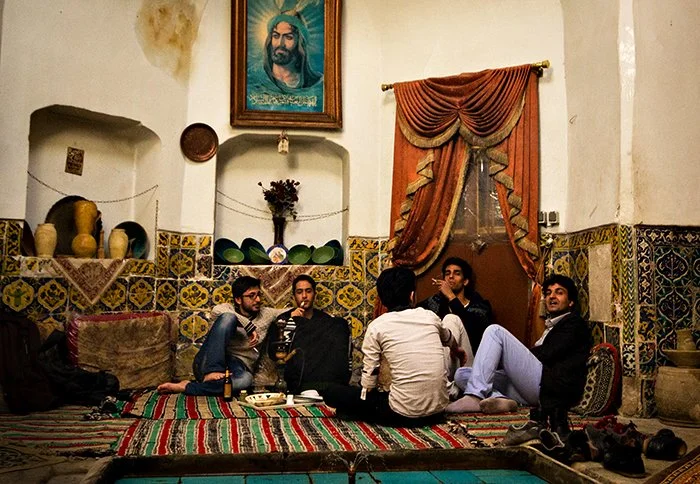
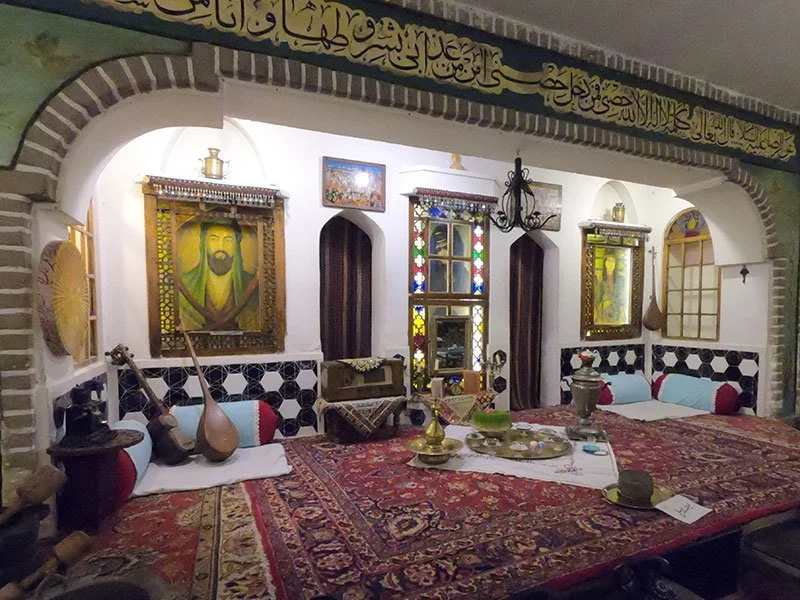
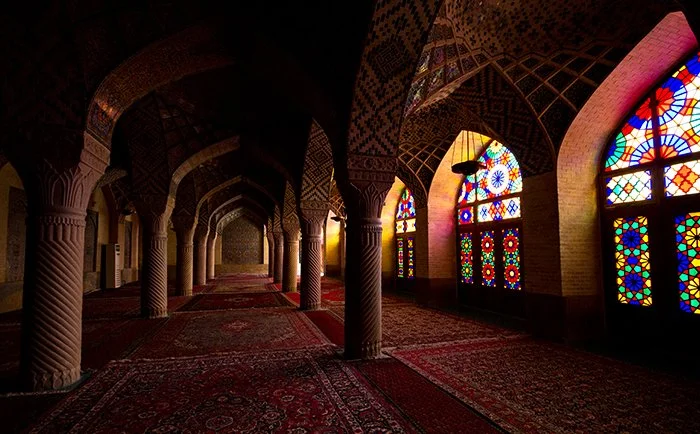
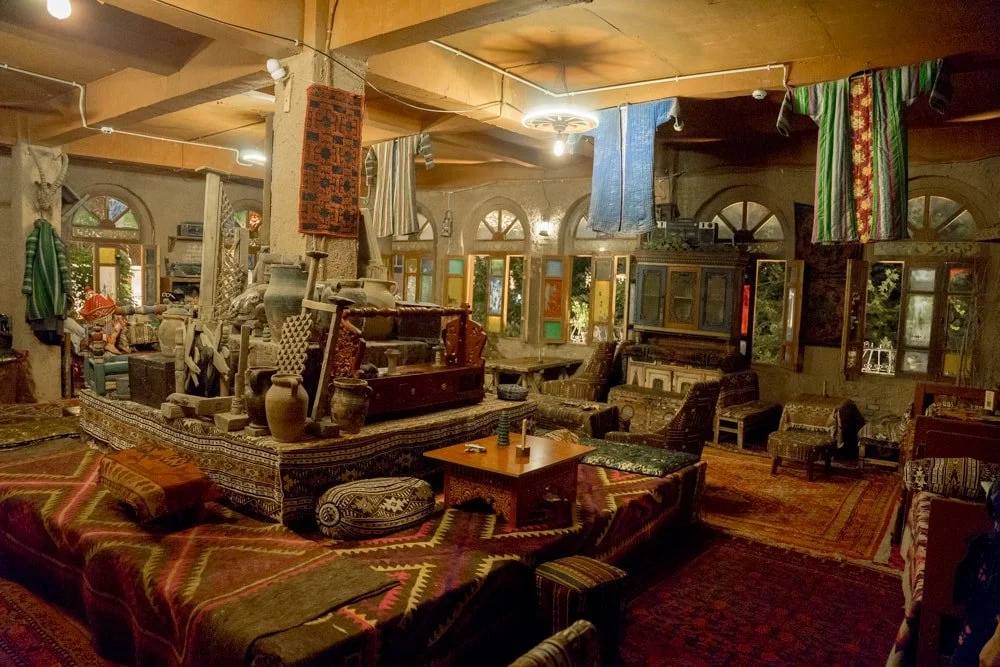
As someone who grew up in Iran, surrounded by Persian textiles, layered motifs, and interiors where carpets carried memory and character, this disconnect has always stood out to me. Flooring was never treated as a quiet background element. It shaped the atmosphere of a room. What fascinates me is that richly patterned and deeply coloured textiles have survived centuries of changing tastes for a reason. People continue returning to colour, texture, and layered visual environments because these materials speak a more instinctive human language connected to memory, comfort, and emotional presence.
That does not mean every home needs dramatic colour or excess. What interests me more is the quieter territory in between, where individuality can exist without overwhelming a space.If wool is truly going to return to New Zealand homes in a meaningful way, it cannot survive on sustainability alone. People already understand function. What they are searching for now is connection. They want materials that reflect something of themselves back into the spaces they inhabit.