
THE QUIET POWER OF FLOORING
IN HEALTHCARE DESIGN
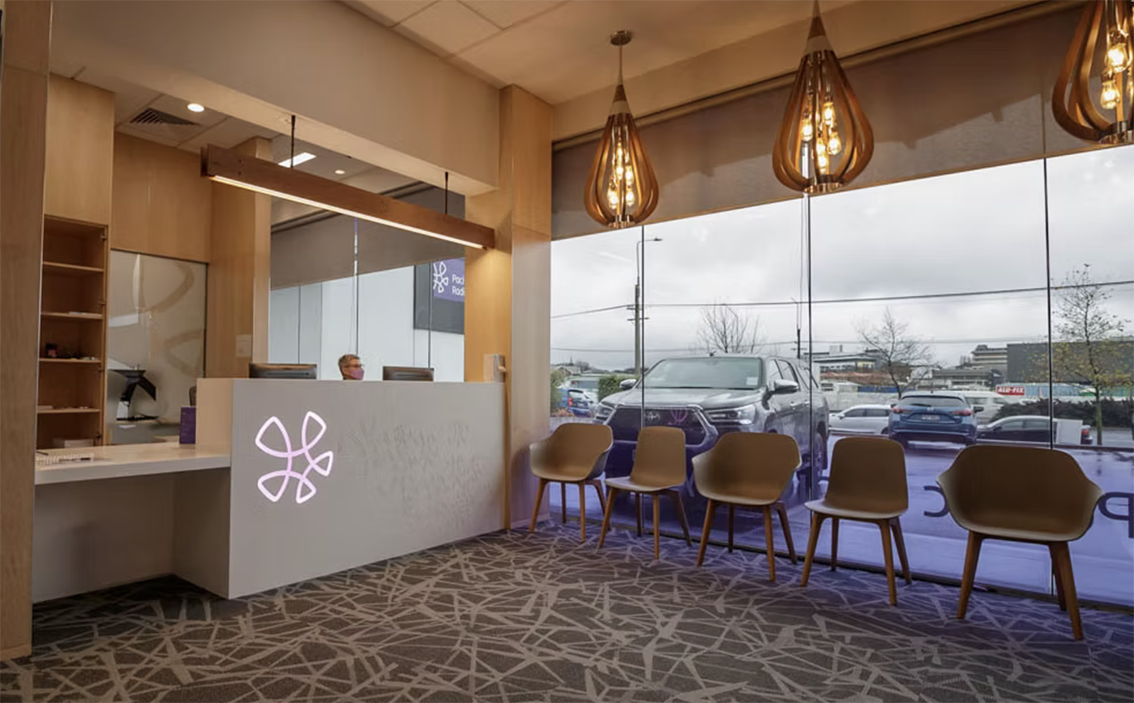
For many years, the role of floor covering in healthcare environments has been overlooked.
Attention has traditionally been placed on walls, lighting and furniture, while the floor — the largest continuous surface in a space, remained largely ignored.
Pacific Radiology, with clinics across the South Island, chose to rethink this. They recognised that flooring is not just functional; it adds an emotional and psychological layer to the environment.
When designing any commercial interior, we must consider two groups: the people who visit the space and the people who work in it every day. In healthcare settings, this becomes even more important. Patients often arrive with heightened stress and uncertainty, while staff operate under constant pressure and demanding workloads.
The environment should never add to that stress , it should quietly help reduce it.
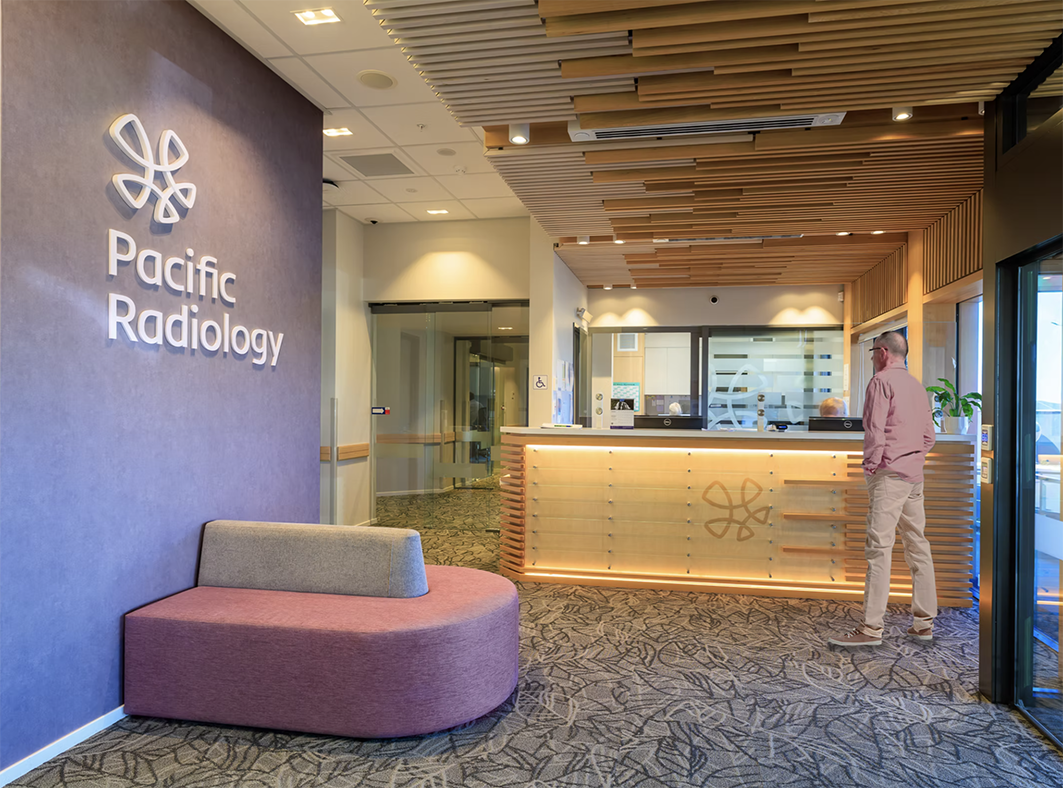
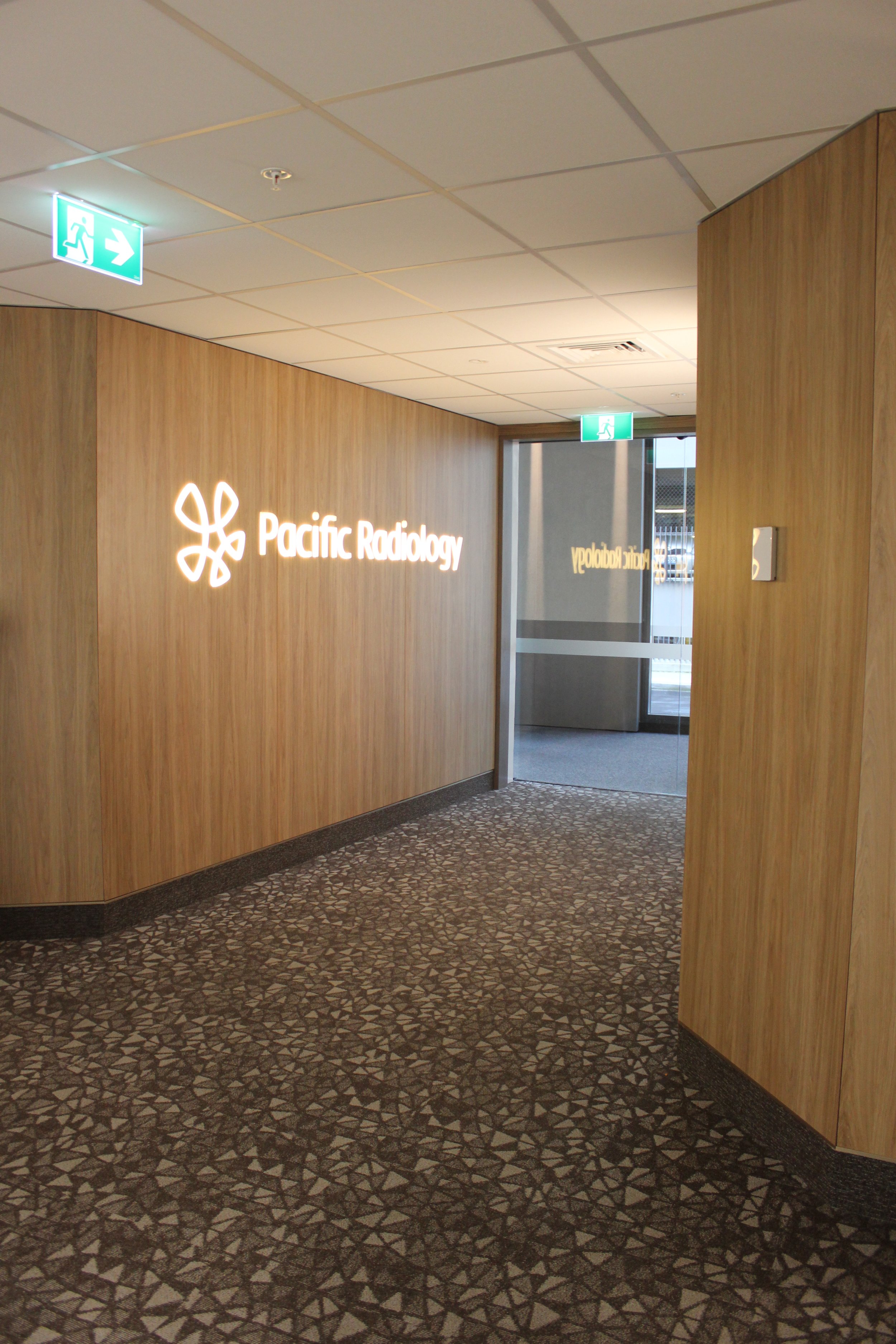
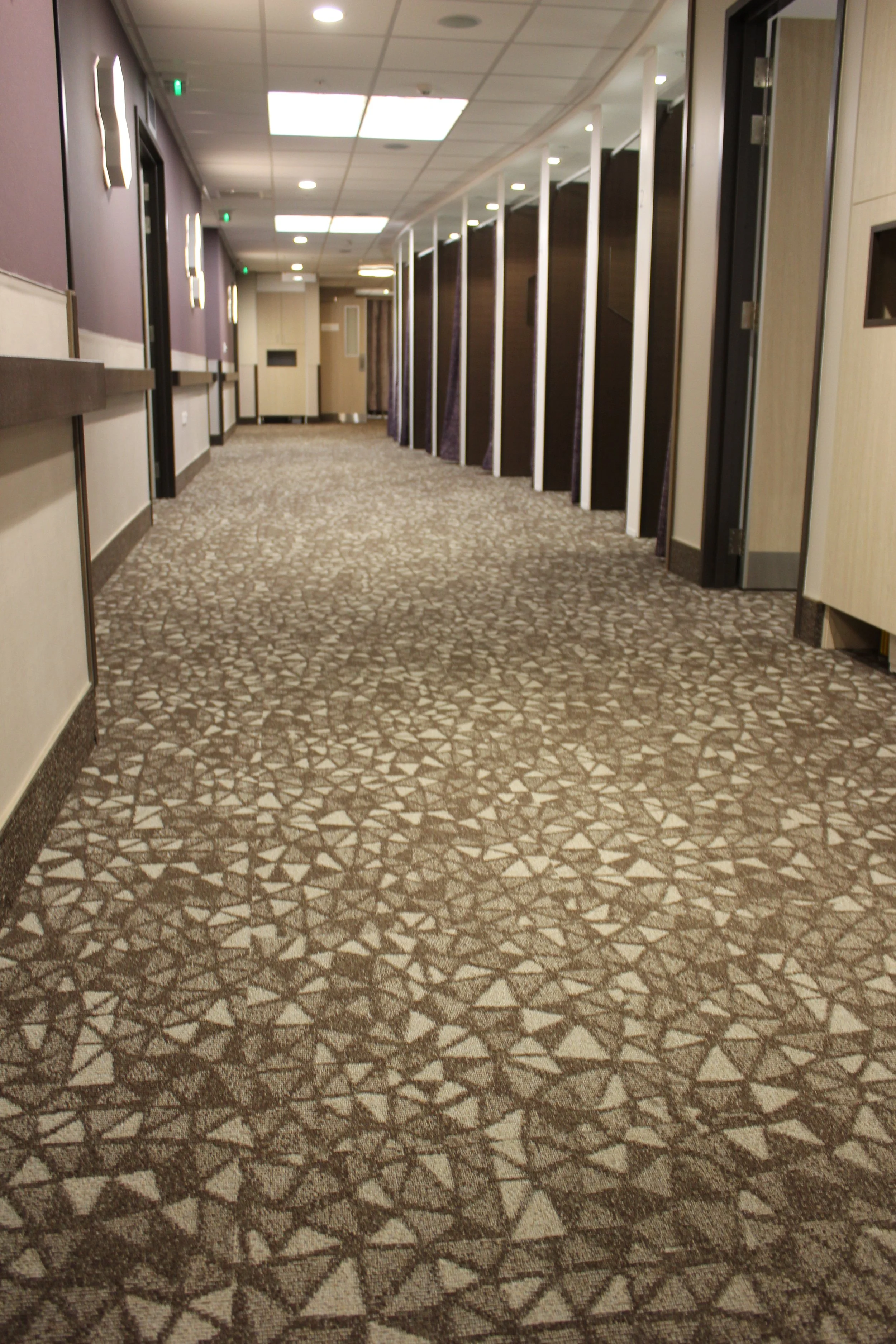
Interior design offers subtle tools to support wellbeing and flooring is one of the most powerful yet understated among them. Recent research shows that pattern, texture, and visual rhythm underfoot can influence how people feel subconsciously - shaping comfort, calmness, and trust without a single word being spoken.
For Pacific Radiology, we developed patterns inspired by nature, a universal visual language that humans instinctively respond to. Organic forms help soften anxiety, while gentle repeated lines and structured compositions create a sense of order and safety. Together, these patterns communicate stability and grounding, supporting both patients and staff through subtle psychological cues.
Flooring becomes more than a surface; it becomes a quiet canvas that speaks directly to the human brain , calming, reassuring, and guiding experience without demanding attention.In healthcare design, sometimes the most powerful interventions are the ones people never consciously notice.